Synchronizing Forecast Algorithms with Dynamic Reward Systems in Cross-Format Digital Gaming Applications
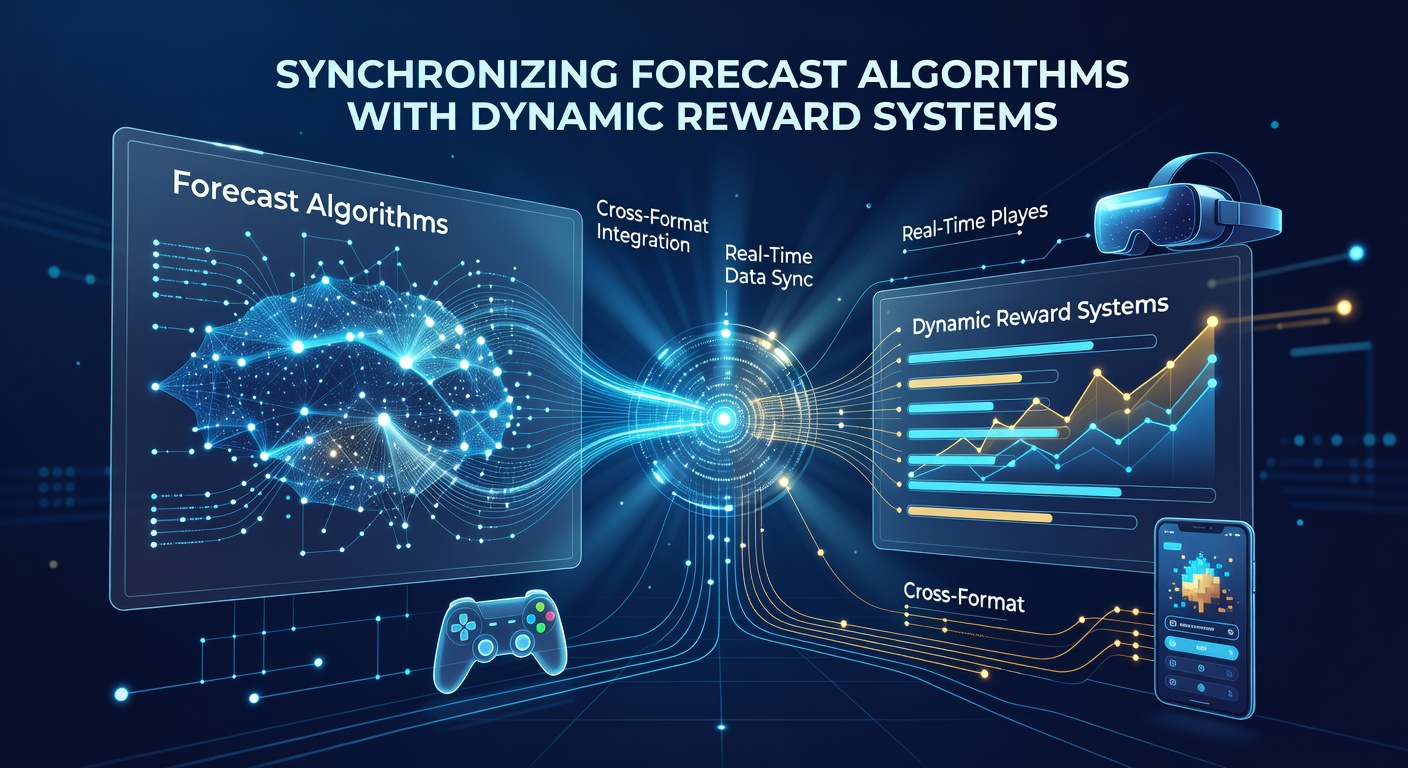
Forecast algorithms in digital gaming rely on machine learning models that process player data streams, game state variables, and historical patterns to generate predictions about user behavior and session outcomes, while dynamic reward systems adjust incentive structures in real time based on those same inputs. Observers note that synchronization between these components occurs through shared data pipelines and feedback loops, allowing applications to maintain consistency across formats such as simulation environments, turn-based mechanics, and real-time multiplayer modes.
Core Components of Forecast Algorithms
Developers build forecast algorithms using techniques including recurrent neural networks for time-series analysis of player sessions and gradient boosting frameworks for classifying engagement levels. Data indicates that these models ingest variables such as session duration, in-game decision trees, and cross-device interaction logs. According to research from the University of Alberta's Department of Computing Science, integration of reinforcement learning agents enables continuous refinement of predictions as new gameplay data arrives.
Cross-format applications require algorithms that generalize across differing rule sets without retraining from scratch. Engineers achieve this through transfer learning methods, where base models trained on one format adapt parameters for another. Figures from the 2025 Global Gaming Technology Report show adoption rates exceeding 65 percent among major mobile platforms that support multiple game types simultaneously.
Mechanics of Dynamic Reward Systems
Dynamic reward systems operate by recalibrating payout probabilities, bonus multipliers, and progression milestones in response to live player metrics. These systems draw from the same data repositories as forecast algorithms, creating opportunities for coordinated updates. In practice, a reward engine might increase token grants for underperforming segments while forecast outputs identify those segments through behavioral clustering.
Implementation often involves microservice architectures that decouple reward logic from core game engines. This separation permits independent scaling during peak usage periods common in May 2026 tournaments and seasonal events. Canadian regulatory filings with the Alcohol and Gaming Commission of Ontario document similar architectures in licensed platforms, where audit trails track every reward adjustment for compliance verification.
Methods for Algorithm and Reward Synchronization
Synchronization begins with unified data schemas that tag each player event with timestamps, context identifiers, and predicted versus actual outcomes. Middleware layers then propagate forecast updates to reward modules within milliseconds. Researchers at the Technical University of Munich have published findings on event-driven architectures that reduce latency between prediction generation and reward application to under 50 milliseconds in controlled tests.
One documented approach uses reinforcement learning to optimize the joint objective function that balances prediction accuracy against reward engagement targets. The system treats reward parameters as actions and forecast error rates as state features. This closed-loop design appears in several cross-format titles released after 2024, where developers report measurable gains in session retention metrics tracked through platform analytics dashboards.
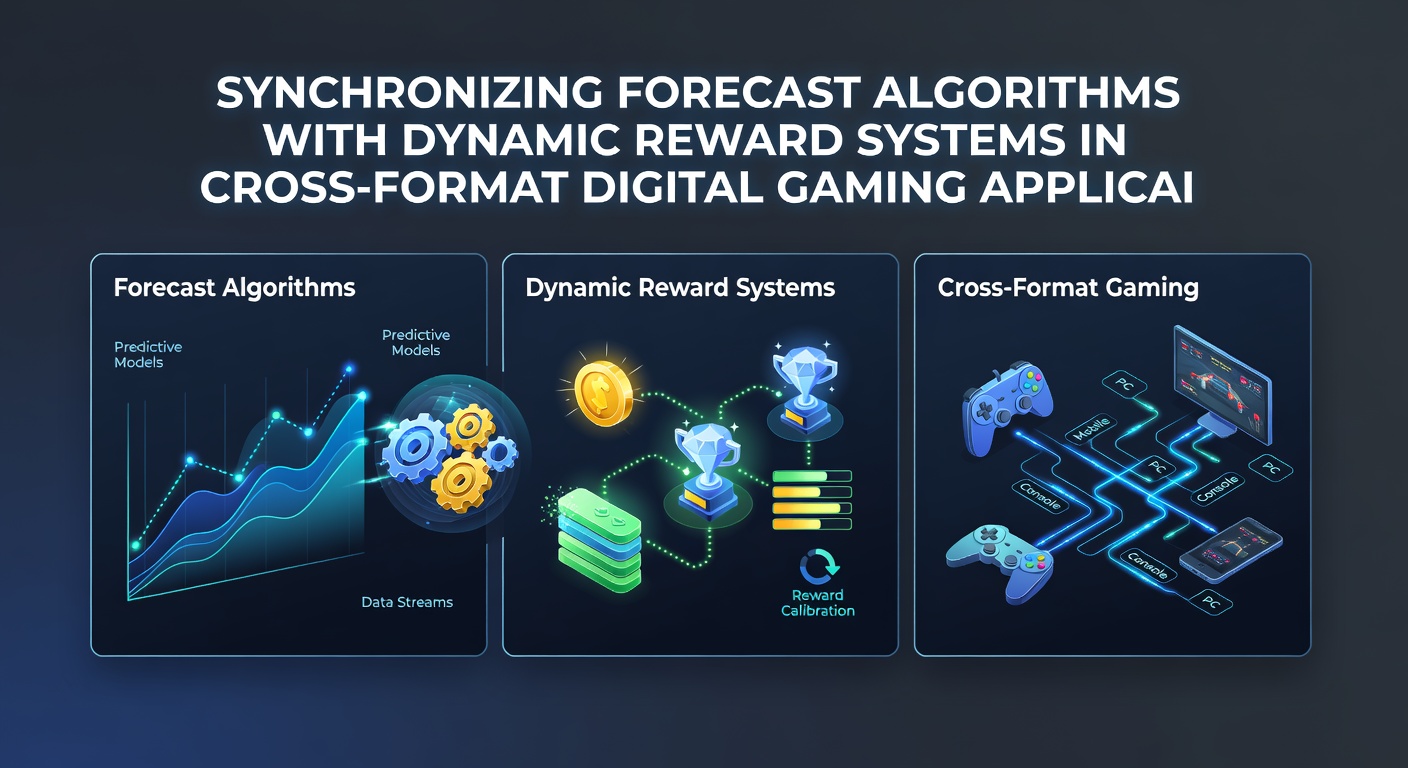
Security considerations include encryption of model weights during transmission and access controls that restrict reward modification privileges to authorized services. The Australian Communications and Media Authority has outlined baseline requirements for algorithmic transparency in its 2026 digital entertainment guidelines, emphasizing auditability of synchronization points.
Implementation Across Gaming Formats
Cross-format platforms apply synchronized systems in environments that blend casual progression mechanics with competitive ranking structures. Forecast outputs might anticipate churn risk in one format while the reward engine deploys targeted incentives that carry value into a second format. This continuity supports longer overall player lifecycles according to aggregated telemetry shared at industry conferences.
Developers address format-specific constraints by maintaining modular prediction heads attached to a common backbone network. Each head outputs parameters relevant to its format, yet all heads feed into a centralized reward orchestration service. Case studies presented at the 2025 IEEE Conference on Games illustrate successful deployments where synchronization reduced redundant data processing by 40 percent compared with siloed implementations.
Technical Challenges and Observed Solutions
Latency spikes during simultaneous updates across multiple formats represent a recurring challenge. Solutions include predictive prefetching of reward states based on forecast probabilities and edge caching of model inferences. Teams that adopted these techniques recorded improved consistency in reward delivery during high-concurrency periods.
Model drift occurs when player populations shift faster than retraining cycles can accommodate. Continuous learning pipelines that incorporate recent data batches while preserving historical performance baselines mitigate this issue. Reports from the European Gaming and Amusement Federation highlight standardized testing protocols used to validate drift correction methods prior to production rollout.
Regulatory and Industry Context in 2026
By May 2026, several jurisdictions require documentation of how forecast outputs influence reward parameters. Platforms submit summary reports detailing synchronization logic to oversight bodies without exposing proprietary model internals. This balance supports both innovation and consumer protection objectives.
Industry organizations such as the World Lottery Association have compiled best-practice frameworks that address data minimization during joint algorithm-reward operations. These frameworks encourage encryption standards and periodic third-party reviews of synchronization integrity.
Conclusion
Synchronization of forecast algorithms with dynamic reward systems continues to evolve through advances in shared infrastructure and joint optimization techniques. Cross-format applications benefit from the resulting consistency in player experience management. Ongoing work by academic institutions, regulatory agencies across multiple regions, and platform developers points toward further refinement of these integrated systems in the years ahead.