Mapping Synchronization Challenges Between Real-Time Athletic Feeds and Strategic Decision Aids in Mobile Ecosystems
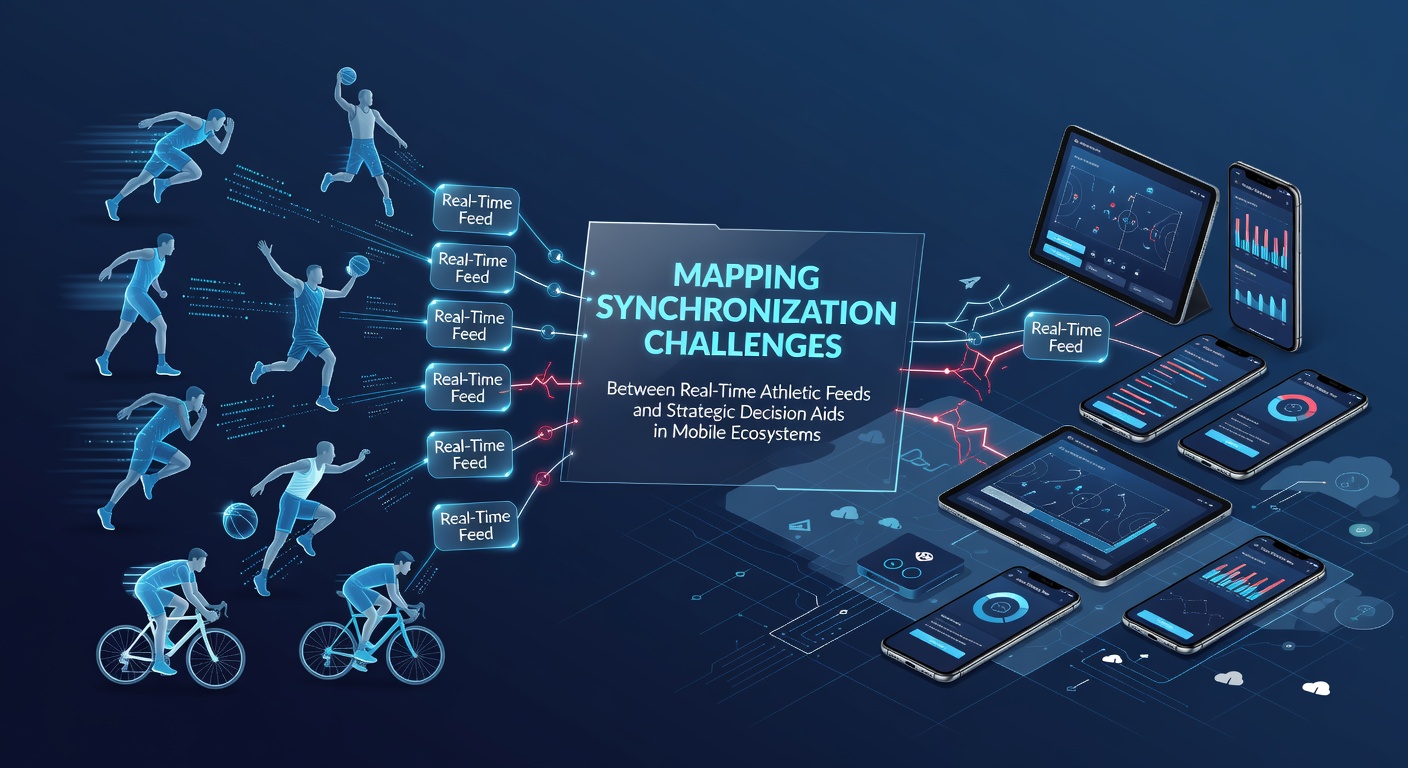
Real-time athletic feeds deliver continuous streams of player metrics, game statistics, and environmental data to mobile devices, while strategic decision aids process that information to support choices in coaching, training adjustments, and performance monitoring. Observers note that alignment between these elements encounters persistent obstacles when operating across mobile networks with variable conditions.
Core Technical Barriers in Data Alignment
Latency arises when athletic data from sensors or broadcast sources reaches mobile applications after delays that exceed acceptable thresholds for time-sensitive decisions. Network handoffs between cellular towers, packet loss during peak usage, and compression artifacts compound these timing mismatches. Researchers at institutions focused on wireless systems have documented how 5G deployments reduce average latency yet still leave gaps during high-mobility scenarios such as outdoor events.
Data format inconsistencies present another layer of difficulty, since feeds arrive in proprietary schemas from equipment manufacturers while decision modules expect standardized inputs. Conversion layers must operate without introducing errors that cascade into incorrect recommendations. Those who have examined unified mobile platforms report that middleware solutions help bridge these differences but require ongoing updates as source protocols evolve.
Mobile Ecosystem Constraints and Processing Demands
Battery consumption and thermal limits on handheld devices restrict the complexity of synchronization algorithms that can run locally. Offloading computation to edge servers introduces additional round-trip times that must be balanced against on-device caching strategies. Studies from telecommunications regulatory bodies in North America indicate that adaptive bitrate streaming combined with predictive prefetching improves continuity for athletic data under fluctuating signal strength.
Security protocols add overhead because encrypted channels protect sensitive performance information yet slow the flow of updates reaching decision aids. Authentication steps between multiple data providers and the mobile client further extend synchronization cycles. Experts tracking developments through May 2026 anticipate that post-quantum encryption methods will increase these computational costs unless hardware acceleration becomes widely available in consumer devices.
Integration Patterns Across Application Layers
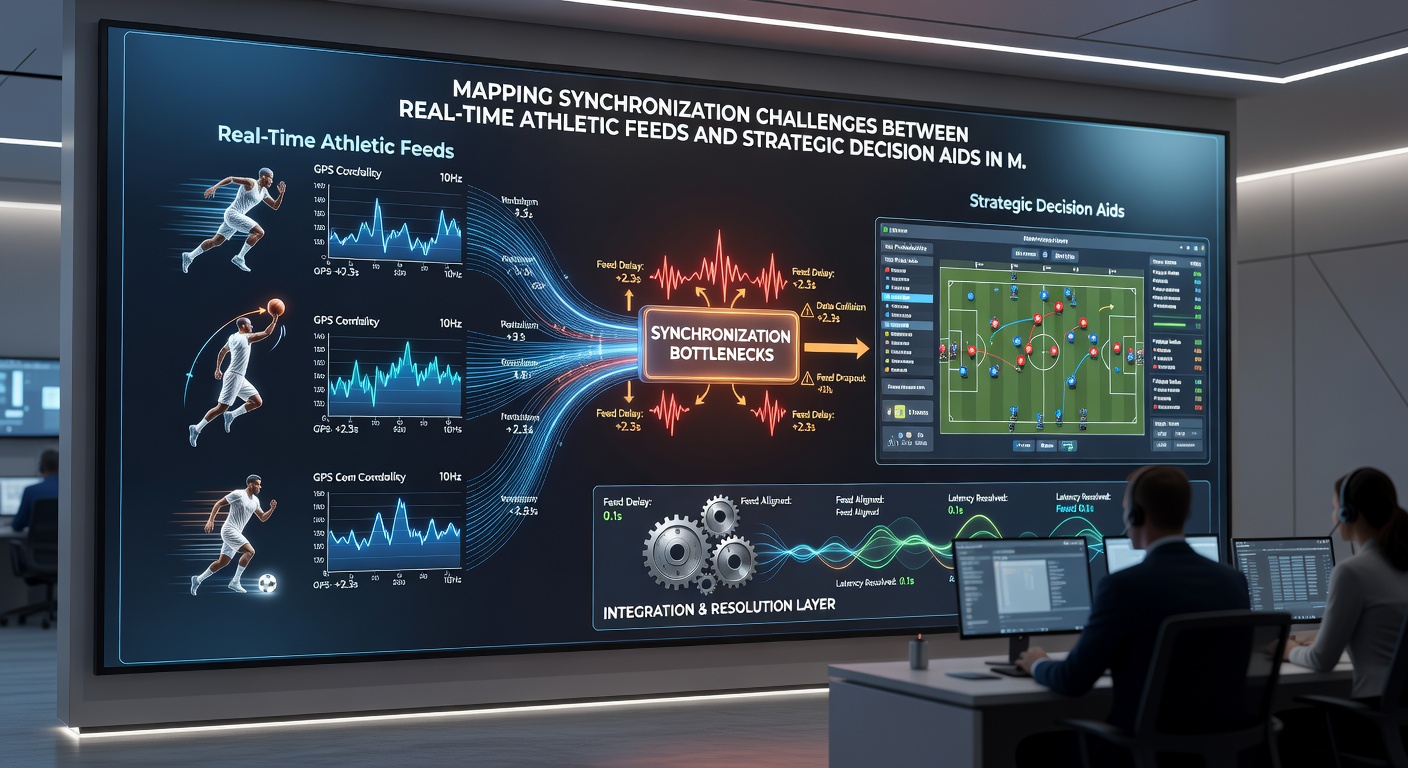
Event-driven architectures allow decision aids to react when new athletic feed packets arrive, yet they demand precise timestamp reconciliation to maintain chronological accuracy. Conflict resolution mechanisms detect duplicate or out-of-order entries and apply correction rules without halting the overall workflow. Industry reports from European research consortia describe successful implementations that combine WebSocket connections with local databases to handle brief disconnections gracefully.
Version control for both feeds and decision logic ensures that updates to one component do not invalidate assumptions in the other. Containerized microservices deployed on mobile backends facilitate independent scaling, although orchestration across regions remains complex when users cross borders with different data governance rules. Observers tracking platform deployments note that container orchestration tools have matured sufficiently by 2026 to support these distributed requirements in production environments.
Measurement and Validation Approaches
Quantitative benchmarks track synchronization error rates through metrics such as mean time lag, data completeness percentages, and decision accuracy scores derived from controlled test scenarios. Field trials conducted under varying network loads reveal how environmental factors like stadium interference affect outcomes. Academic papers published in mobile computing journals present frameworks that correlate these measurements with user-reported satisfaction levels in performance monitoring applications.
Automated testing suites simulate athletic feed bursts at different frequencies to expose edge cases in decision aid responses. Continuous monitoring dashboards surface anomalies in real time, enabling operators to adjust buffering parameters or reroute traffic before widespread impact occurs. Data from regulatory filings in Australia highlight the role of spectrum allocation policies in supporting the bandwidth demands of such synchronized systems.
Future Directions in Standardization Efforts
Industry groups continue to develop common interfaces for athletic data exchange that reduce custom integration work. Adoption of these standards accelerates when major equipment vendors participate, creating network effects that benefit smaller application developers. International coordination through bodies focused on information technology aims to address cross-jurisdictional data handling questions that arise in global sporting events.
Hardware improvements in mobile chipsets, including dedicated neural processing units, enable more sophisticated on-device filtering that lessens reliance on continuous cloud synchronization. These advances, combined with maturing 6G research programs, point toward tighter coupling between live feeds and analytical tools in the coming years.
Conclusion
Mapping the synchronization challenges requires attention to latency sources, format mismatches, device limitations, and security overhead within mobile environments. Technical solutions continue to advance through combined hardware, protocol, and architectural improvements, while measurement practices provide the feedback needed to refine implementations. The landscape evolves as networks and devices incorporate capabilities that better support continuous alignment between athletic data streams and the applications that rely on them.